GIMP Tutorial Online Edition

GIMP is an open-source raster graphics editor. “GIMP” stands for GNU Image Manipulation Program which can be used for image manipulation, image editing, free-form drawing, and transcoding between image file formats. When we speak of “transcoding”, we are referring to converting one file format to another file format.

Sponsored Links

In this tutorial, we focus on layers and how to use layers to make complex graphics.

Table of Contents

  1. What is GIMP?
  2. Why GIMP?
  3. What are “Layers”?
  4. Why use Layers?
  5. How to create a Layer?
  6. How to create a Layer with an image?
  7. How to create a new Layer and add text?
  8. How to change the stack positioning of a Layer?
  9. How to remove a Layer?
  10. Working Example of Using Layers
  11. Where can I download GIMP?
  12. Finding GIMP Support

1. What is GIMP?

GIMP is an open-source raster graphics editor. “GIMP” stands for GNU Image Manipulation Program which can be used for image manipulation, image editing, free-form drawing, and transcoding between image file formats. When we speak of “transcoding”, we are referring to converting one file format to another file format.

GIMP was first released to the public in 1996 under the GNU Project, which is an open-source software library licensed under the GNU General Public License. The goal of the GNU Project is to give software users the freedom and ability to use the software and to apply their knowledge and resources to collaborate with other software users in order to operate the software, to copy and distribute it, and to study and modify it. This collaboration allows for innovative ways to further develop and advance the features and functionality of the software, which ultimately generates additional distribution and more software users. GIMP is currently released under the GNU General Public License 3.0 or later.

2. Why GIMP?

GIMP is open-source software licensed under the GNU General Public License. So why is this important? For starters, open-source software is available to users “free-of-charge” provided that the use of the open-source software is in line with the applicable open-source license. You are not required to pay any fee in order to use GIMP.

Sponsored Links

GIMP is cross-platform meaning that the software is available for Linux, macOS, and Microsoft Windows operating systems. GIMP files that are created in one operating system environment can be opened, edited, and saved in another OS environment.

3. What are “Layers”?

In graphics software, “layers” are the different levels where you can add or place certain objects or images to your graphics file. When creating and designing a graphics image, think of a layer as being a solid or transparent sheet of paper that is stacked on top of other layers of your image.

Essentially, a layer is a container of certain graphics elements. Each layer that is created becomes a component of the overall image that can be easily modified and manipulated without affecting any of the other layers or containers of the image.

4. Why use Layers?

Layers are levels of a graphic image that allow for certain graphics elements to be added to the overall image. Layers are stacked on top of each other and can be easily moved up layer levels (moved to the front of the image) or moved down layer levels (moved to the back of the image). Creating layers allows for the editing and manipulation of a specific container of graphics elements without having to edit or impact the graphics elements contained in other layers. The biggest benefit of using layers is the amount of time you will save when applying edits to your image.

5. How to Create a Layer in GIMP?

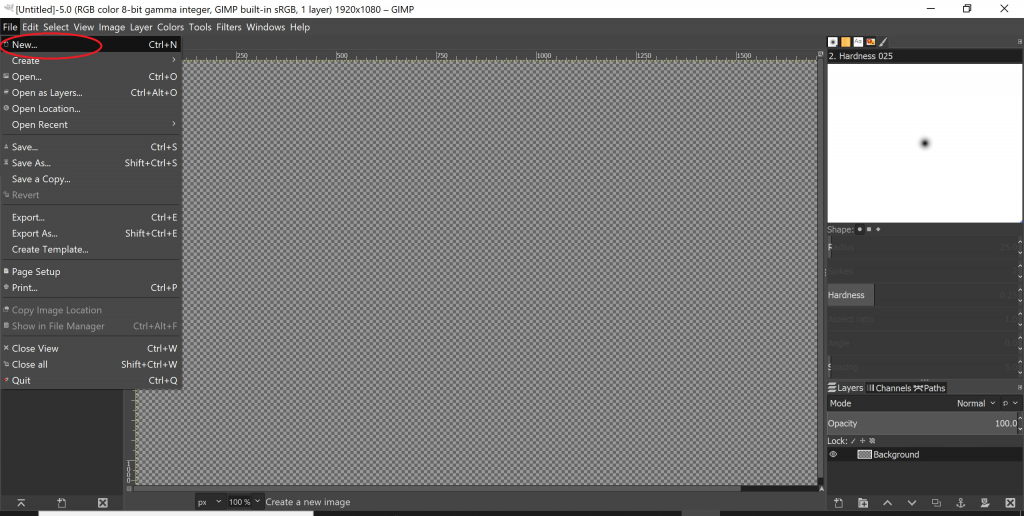
In order to create a layer in GIMP, you will need to create an image first. When you first launch GIMP, you will need to click “File” in the top menu bar and select “New”.

Sponsored Links

Screenshot:

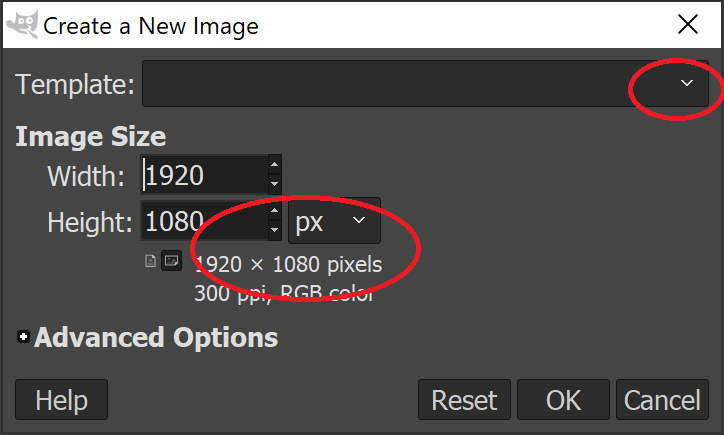
This will launch the “Create a New Image” dialogue window. In this window, you can create your image by selecting a pre-defined template from the “Template” drop-down, or you can manually define the Image Size dimensions. Be sure to select the “units” of your image.

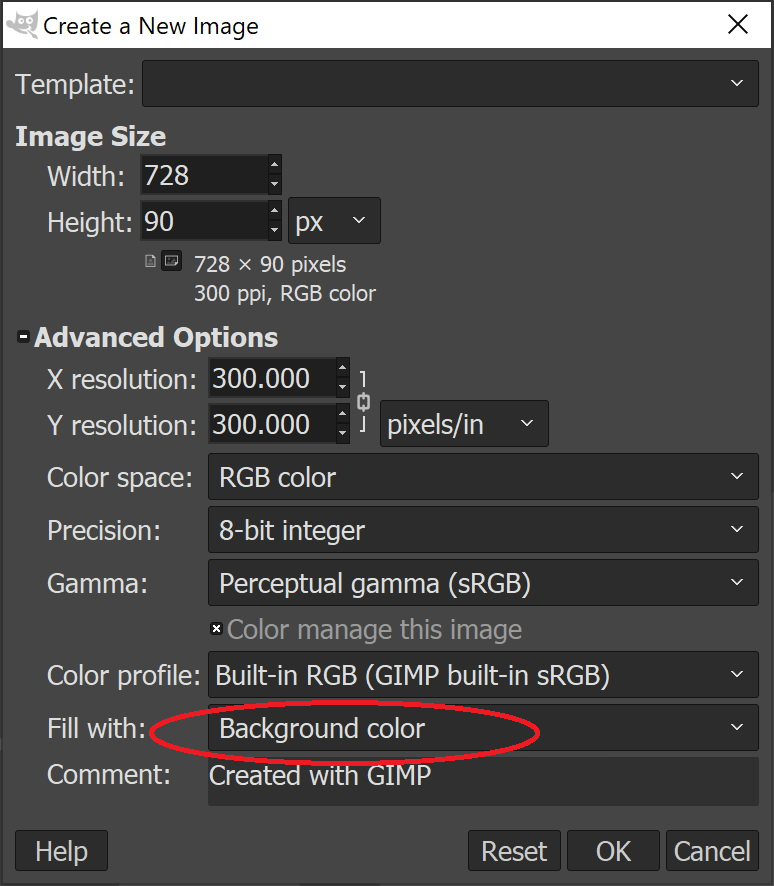
For advanced image options, click on the “Advanced” drop-down. The “Fill with” option is a popular one, as it allows you to determine whether your image will have a “Background color”, “Foreground color”, a “Transparent” background, a “White background”, or a “Pattern background”.

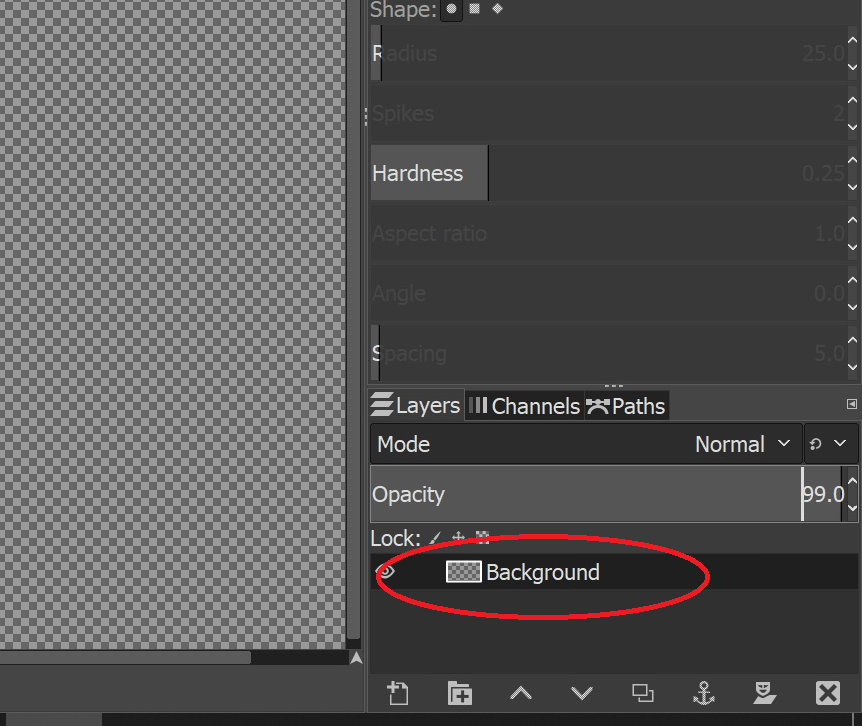
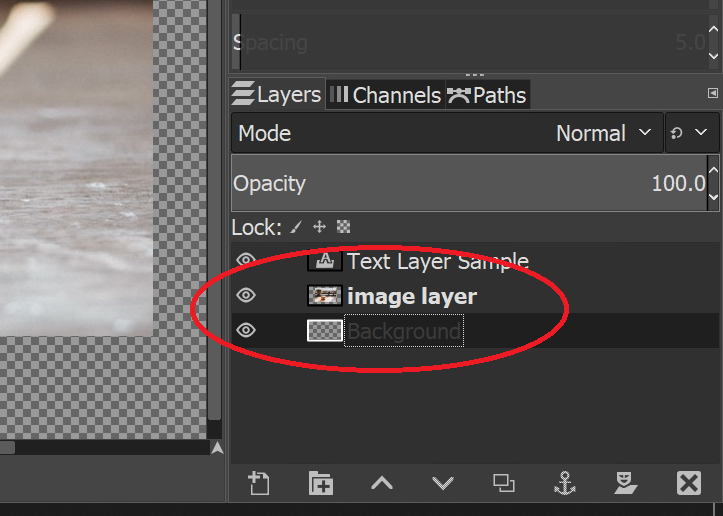
Once you have selected your image options, click “OK” and your first layer will be displayed on the right side of the UI window under the “Layers” section. This layer will be titled “Background”.

6. How to create a Layer with an image?

If you would like to create a layer based on an image, you will need to click “File” in the top menu bar and select “Open as Layers”. This will open the file directory so that you can select the image file. Once you have located and selected the applicable image file, click “OK” and the image layer will appear on top of the first layer.
Sponsored Links

Screenshot:

The image layer will also be displayed on the right side of the UI window under the “Layers” section. This image layer is titled “image layer”.

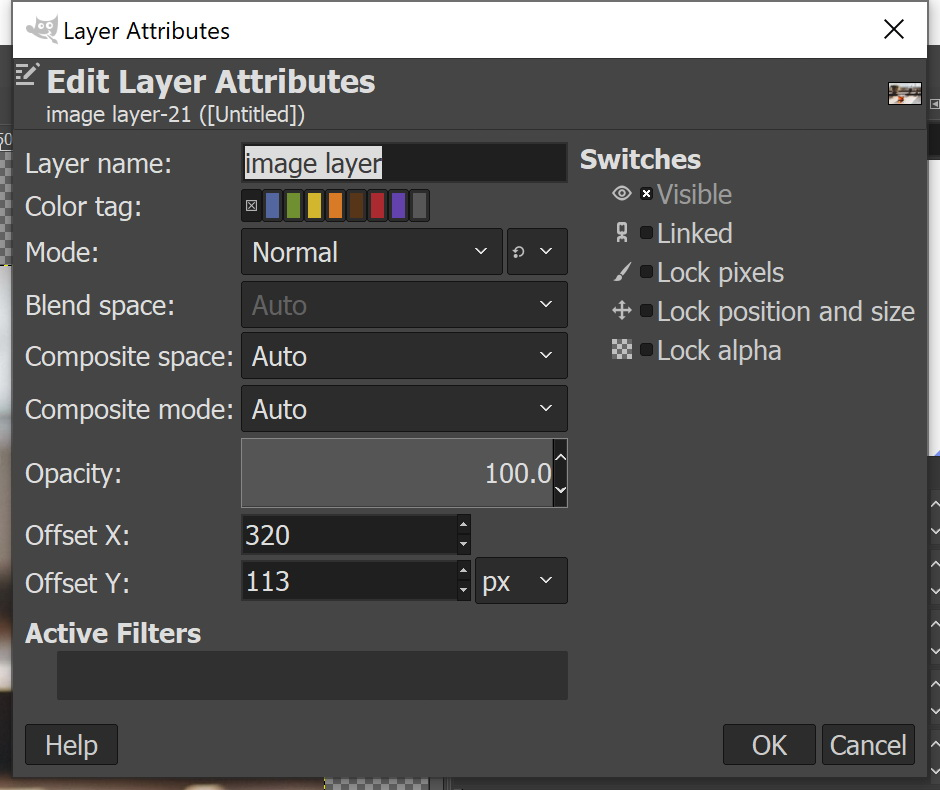
To edit Layer attributes, right click on the applicable Layer and select “Edit Layer Attributes”.

Under “Edit Layer Attributes”, you can change the name of the Layer.
7. How to create a new Layer?
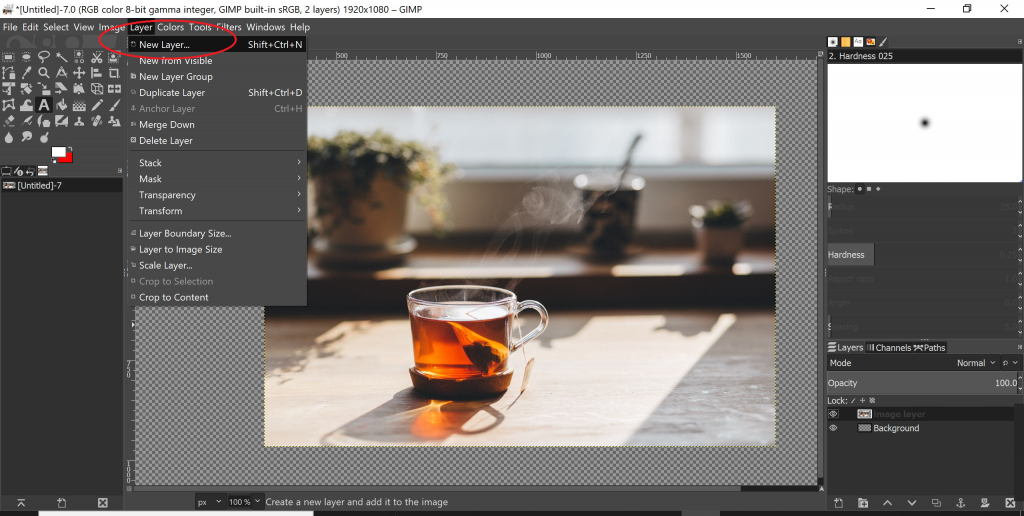
To add a Layer that contains text, click on “Layers” menu in the top menu bar.

Sponsored Links

Screenshot:

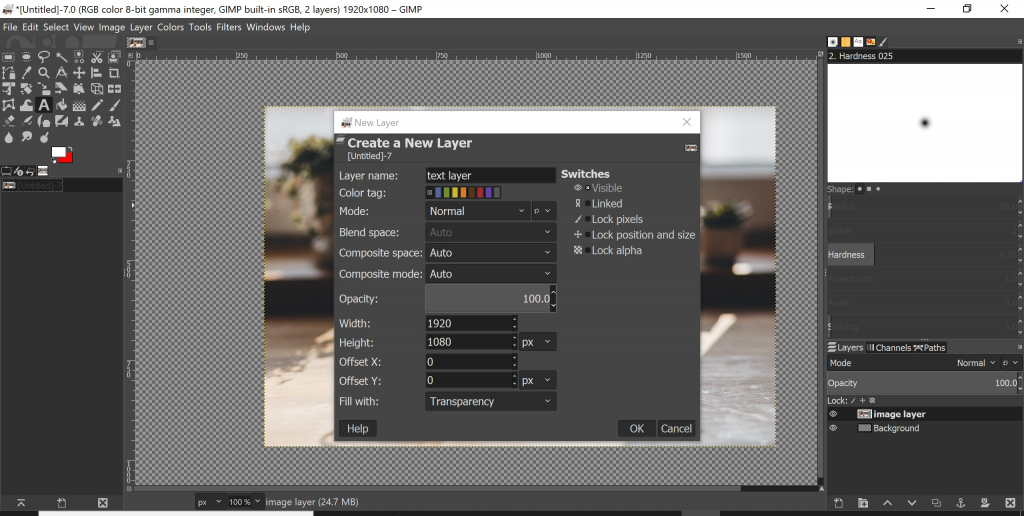
This will open the “Create a New Layer” window. You will be able add a label/name to the Layer and customize the dimensions of the Layer.

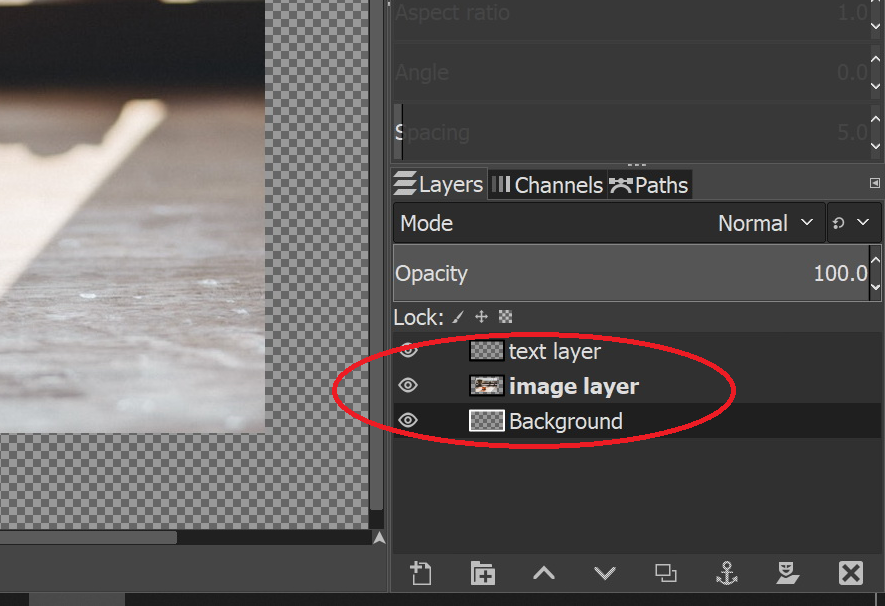
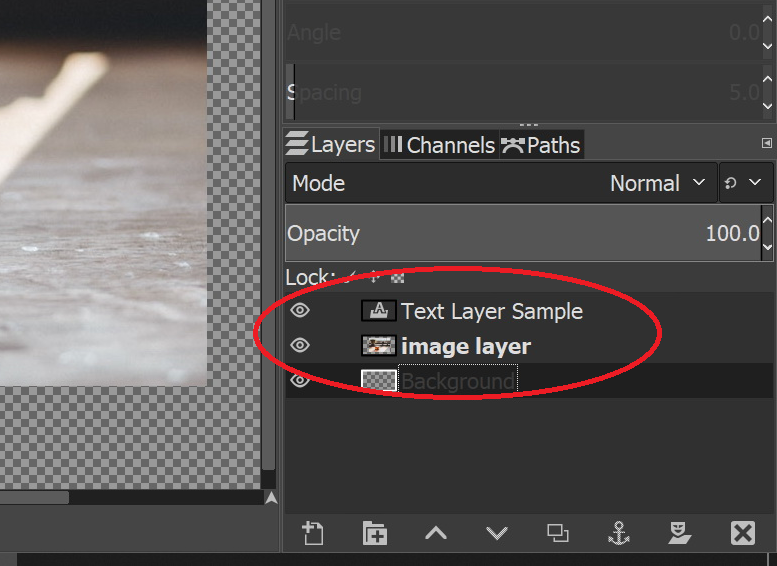
Click “OK” to add the new Layer. The text layer will also be displayed on the right side of the UI window under the “Layers” section. This layer is titled “text layer”.

To add text to the Layer, click on the Layer in order to select it/activate the Layer. A light border will be displayed around the selected Layer.

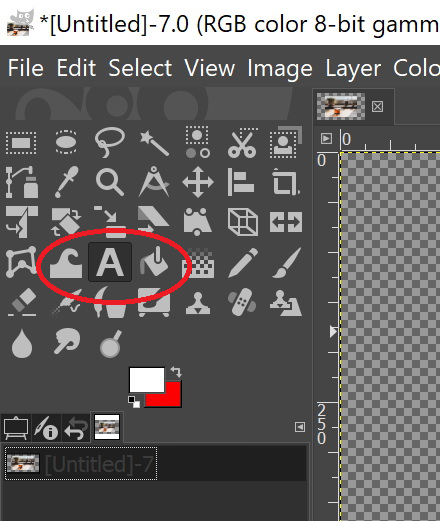
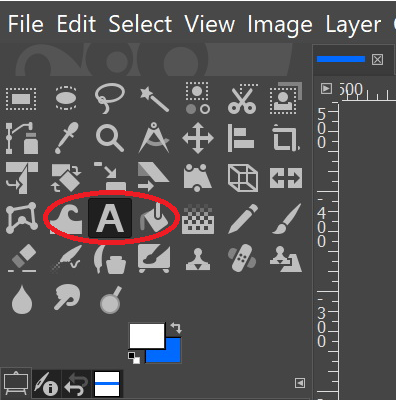
Next, select the “Text Tool” in the top left tool box.

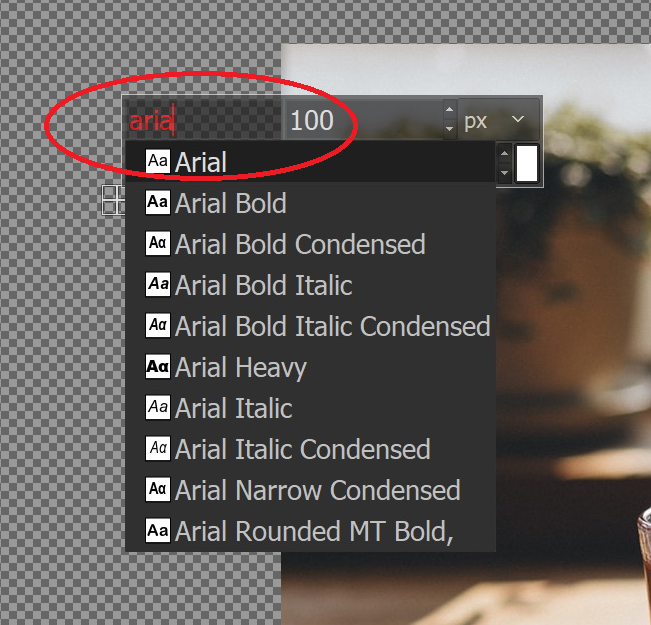
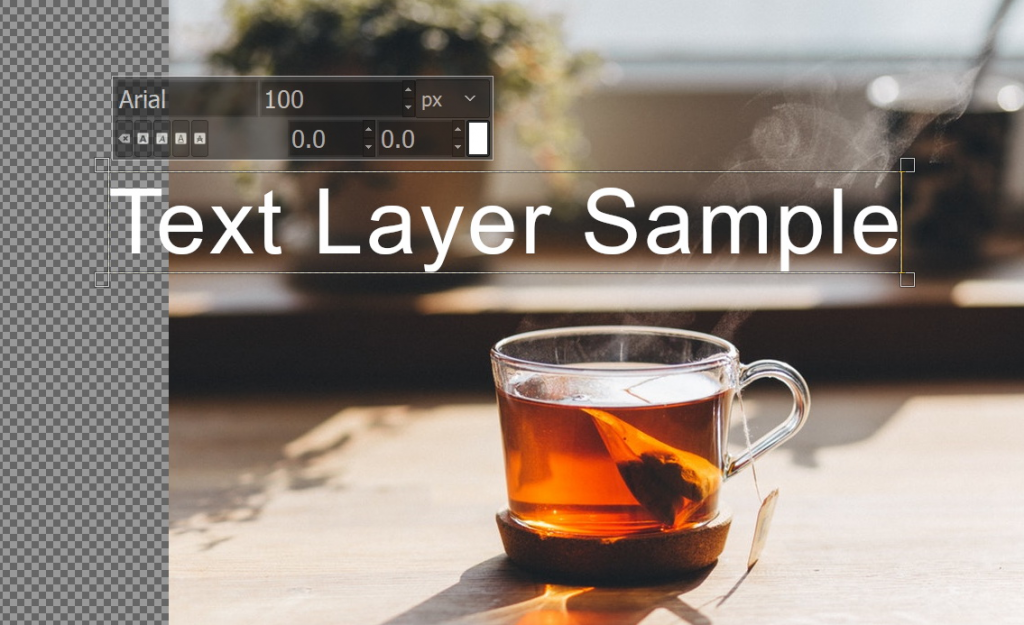
The text format dialogue box will be displayed where you can select the font type, font size, and font color. To select font type, simply start typing your choice of font and a list of available font types will be displayed.

Once you have selected the font type, font size, and font color, start typing your text. In this example, we have inserted the text “Text Layer Sample”.

To move the text, select the Layer that contains the text. A light border will be displayed around the selected Layer.

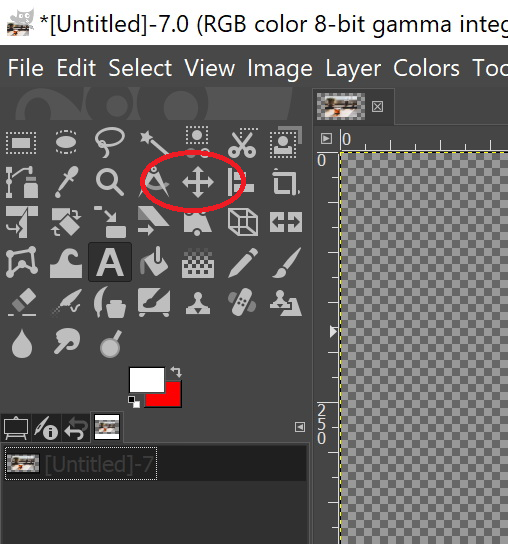
Select the “move” tool and drag the text to your desired location on the image.

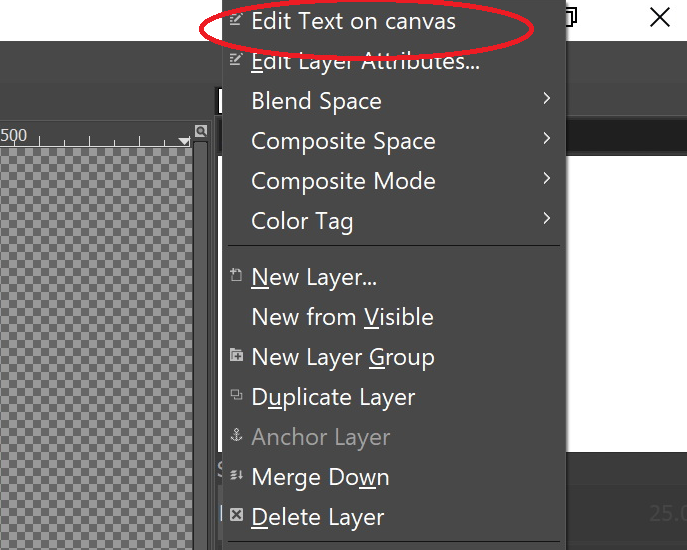
To edit the text, right-click on the text Layer and select “Edit Text on Canvas”.

8. How to change the stack positioning of a Layer?

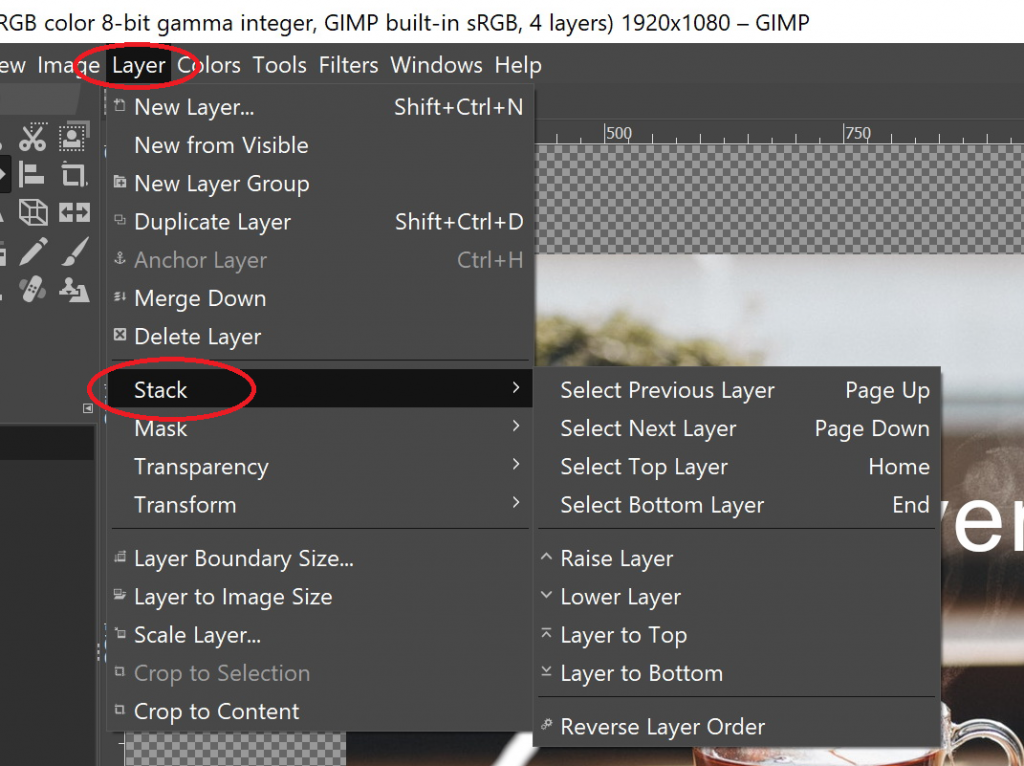
Each time you add a new Layer to your image, the Layers are stacked on top of each other. To bring a Layer to the top or to front of the image, or to send the Layer to the bottom or to the back of the image, you can do so by adjusting the “stack” of Layers. To reposition the Layer, you will need to click on the Layer in order to select it/activate it. A light border will be displayed around the selected Layer.

Sponsored Links

Screenshot:

To access the “stack” option, click on “Layer” in the top menu bar and select “Stack” in the drop-down menu.

You now have the option to “Raise Layer”, “Lower Layer”, bring the “Layer to Top”, or send the “Layer to Bottom”.

9. How to remove a Layer?

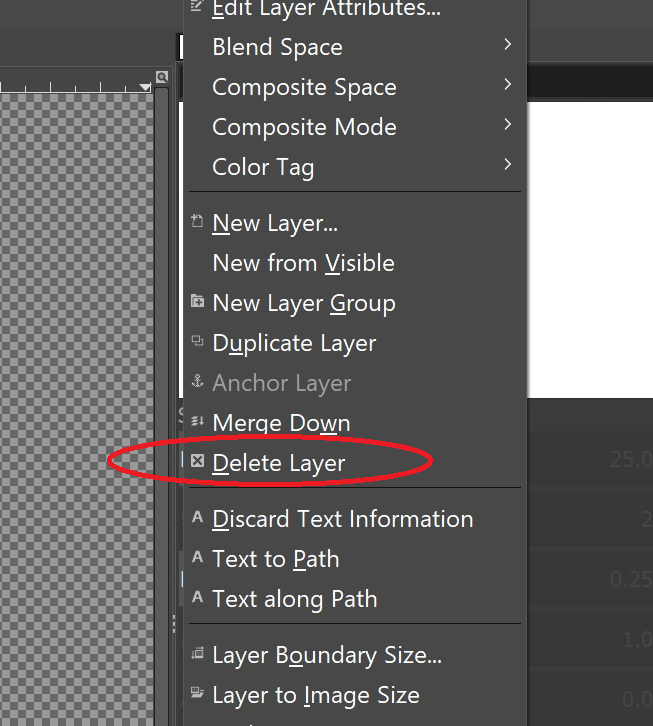
If you would like to remove a Layer from your image, click on the applicable Layer in order to select it/activate it. A light border will be displayed around the selected Layer. Right-click your mouse button on the Layer that you wish to remove and select “Delete Layer” in the menu list.

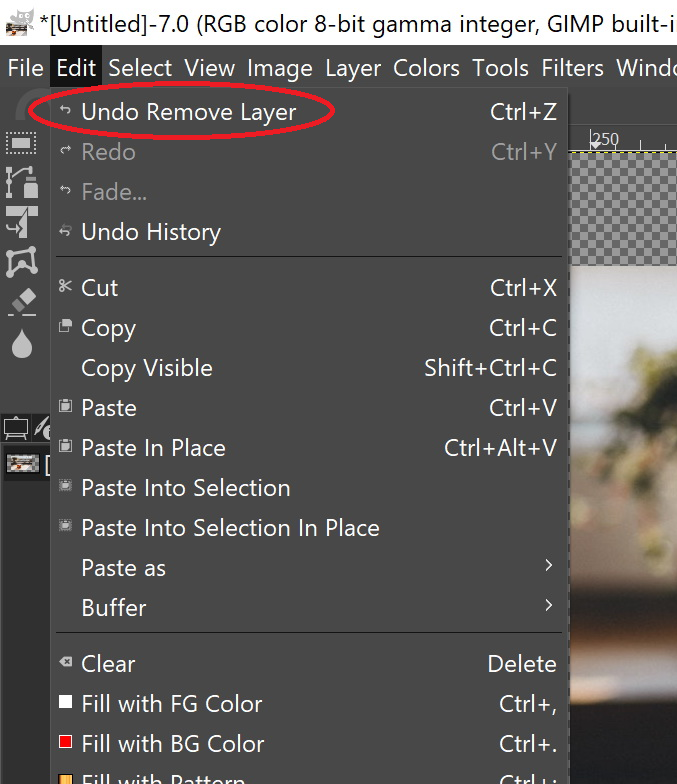
If you deleted the wrong Layer, there is no need to panic. Simply click on “Edit” in the top menu bar and select “Undo Remove Layer”.

10. Let’s Try a Working Example of How to Use Layers

Now that we have discussed how to create and use layers, let’s create a sample rectangular banner with a color background and text.

Sponsored Links

Step 1: Launch GIMP

Step 2: Click on “File” and select “New”

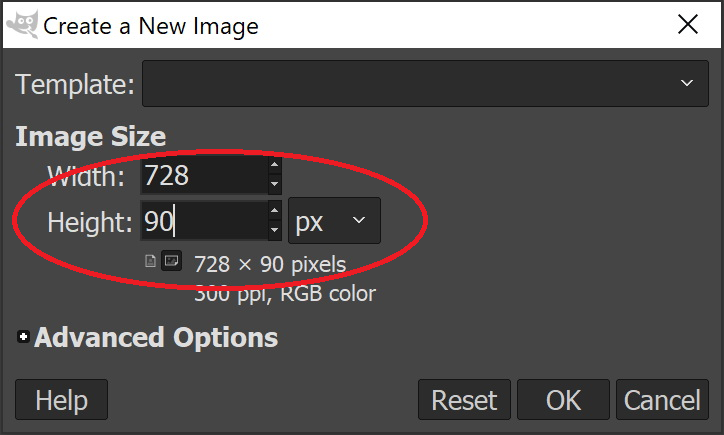
Step 3: The “Create New Image” dialogue box will appear. Let’s create a standard Leaderboard banner which is 728 x 90 px. Enter “728” in the Width box, and “90” in the Height box. Select “px” (for pixels) as the unit type.

Step 4: Click “Advanced Options”. In the “Fill with:” section, select “Background color”

Step 5: Click “OK”

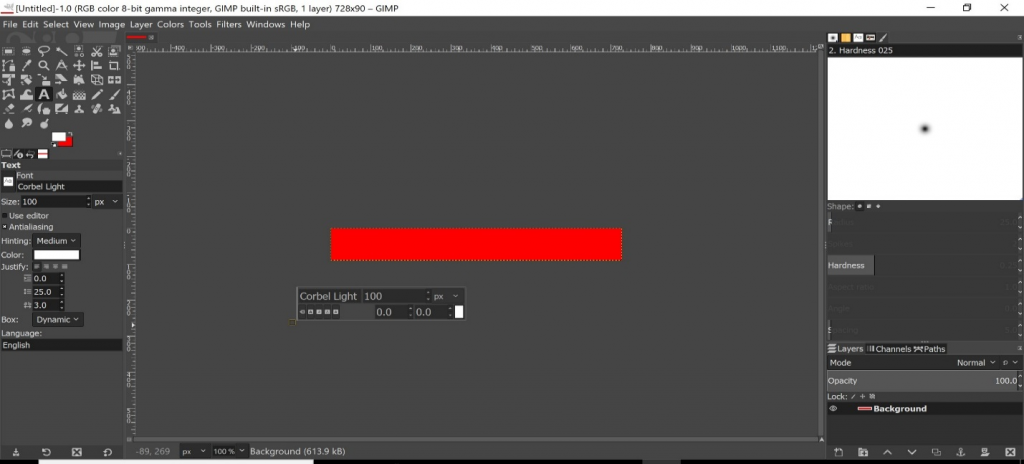
Now you will see the Leaderboard banner has been created. In this example, we have selected the color red as the background color.

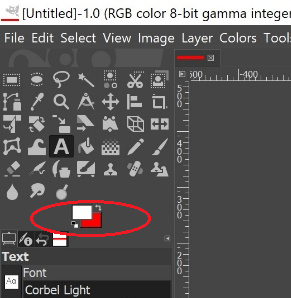
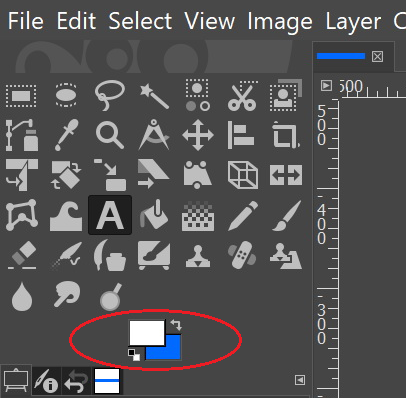
If you would like to change the current color of the banner that you have just created, click on the “red” square (the background color) behind the white square (the foreground color).

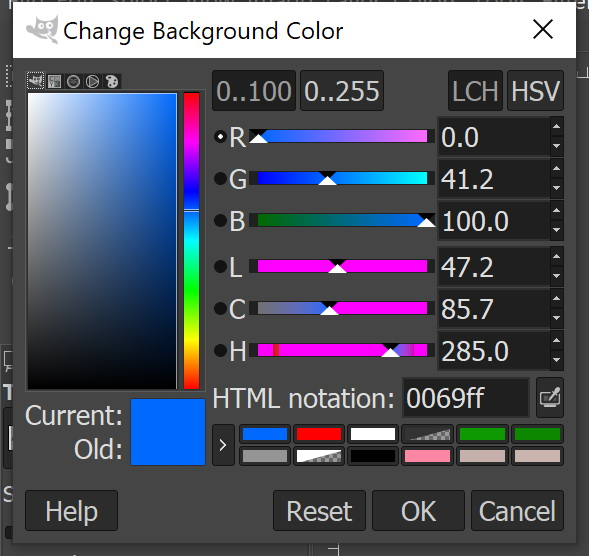
This will open the color palette to select the background color of your choice. In this example, we will select the color blue.

Click “OK”. Now you will see that the Background color square is now blue instead of red.

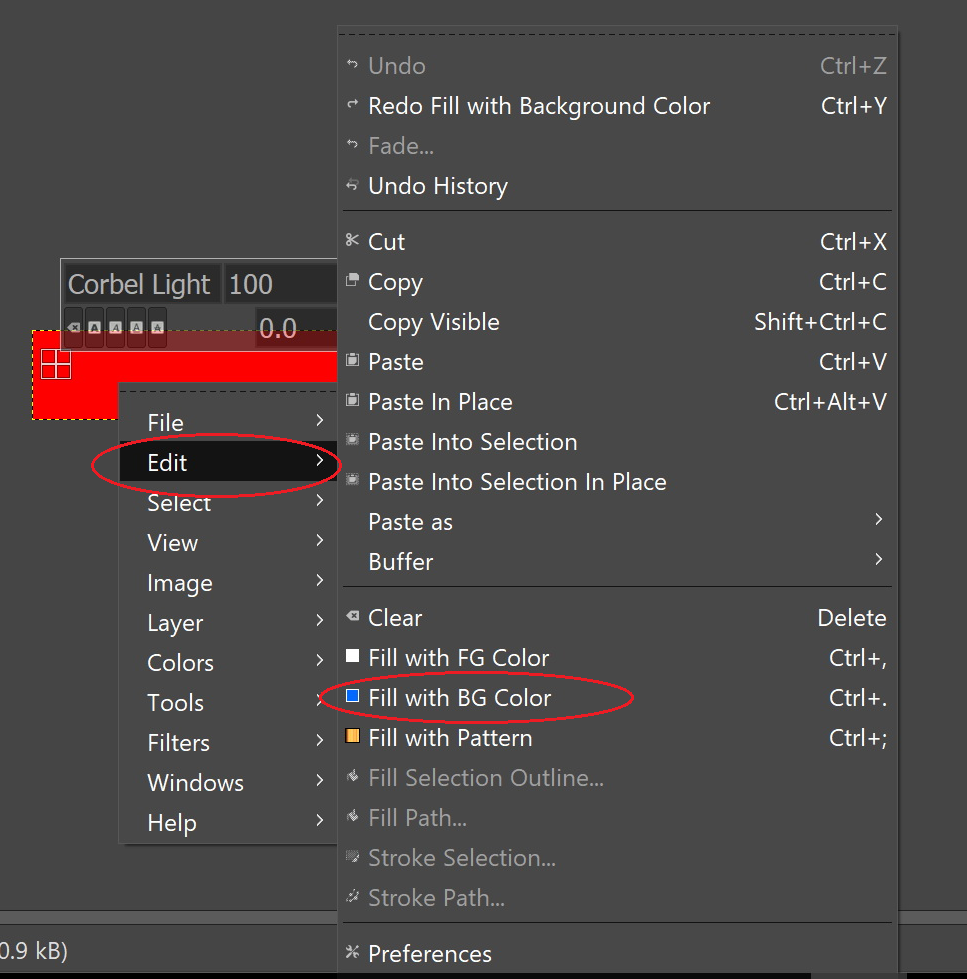
Step 6: To change the background color of the Leaderboard banner, select the “Background” layer is the “Layers” list. If the Background layer has been selected, you will see that the layer will have a dotted border. Right-click your mouse inside of the banner and select “Edit”. Click on “Fill with BG color”.

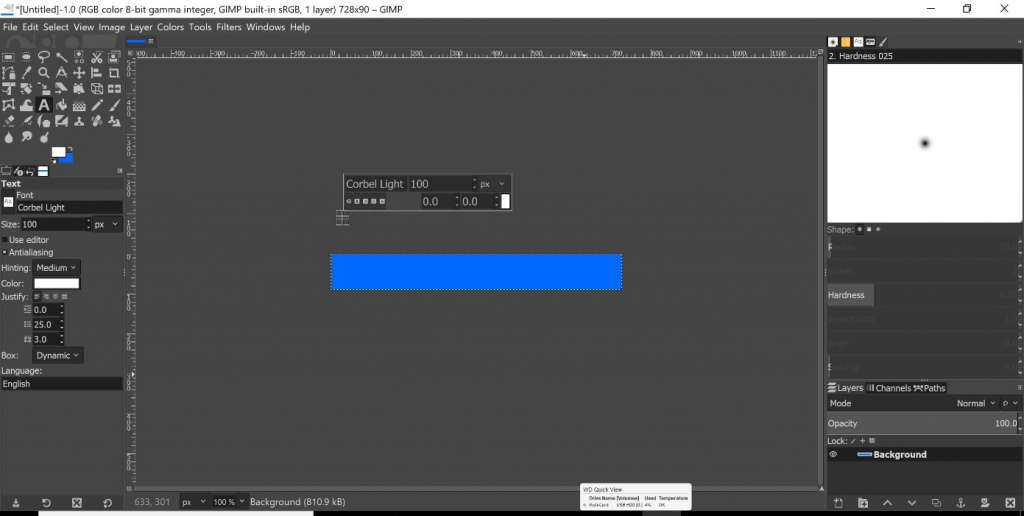
The Leaderboard banner is now blue.

Now, let’s add some text to the Leaderboard banner that we have just created.

Step 7: Click on the “Text Tool” button.

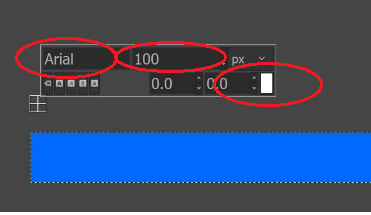
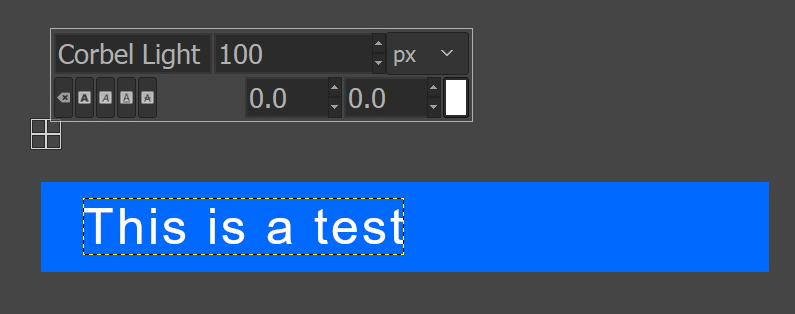
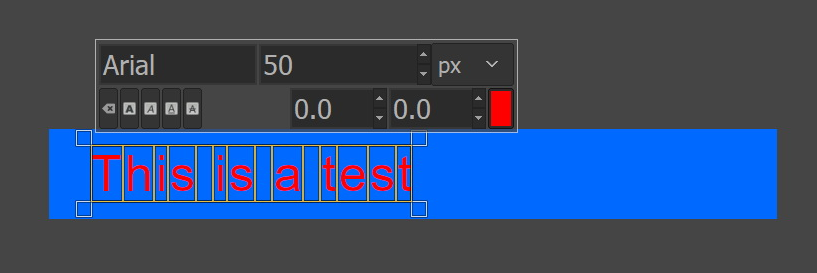
The Text Tool editor UI will now appear. In this example, we have selected the font type as “Arial”. If you would like to edit the font type, highlight the current font type and start typing the font type of your choice.

The font size is the number to the right of the font type.

Font color selection is the color square located at the bottom right corner of the Text Tool UI. Clicking on the color square will open the color palette.

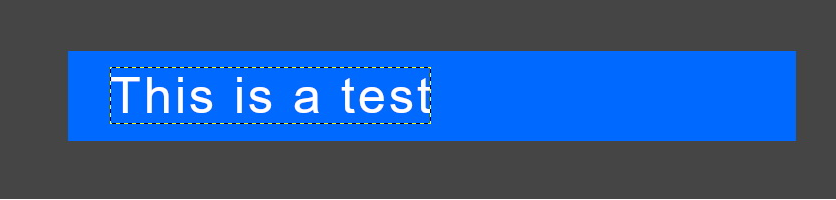
Step 8: Click the location where you would like to insert the text in the banner. Start typing your text.

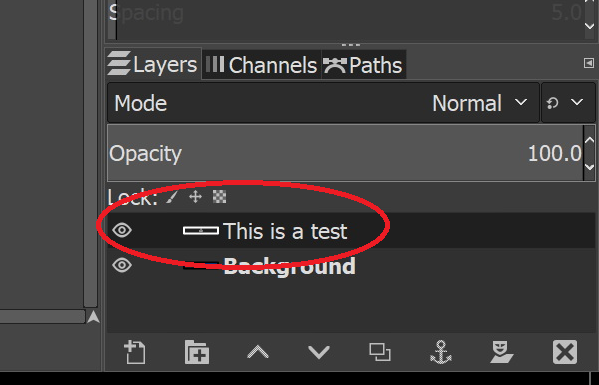
Once you have finished inserting your text, you will see that a new Layer appears in the “Layers” list displaying the text that you have just inserted.

If you would like to change the color of the text font, select the “Text” layer in the “Layers” list.

Place your mouse cursor at the start of the text. Left-click and drag your mouse cursor over the text that you wish to change the font color. The selected text will be highlighted with a border.

Once the text has been selected, click on the text font color palette in the bottom right corner of the Text Tool UI. Select your font color and click “OK”. The text will now be displayed in your selected color.

If you would like to move the location of your text in the Leaderboard banner, select the Text layer from the “Layers” list.

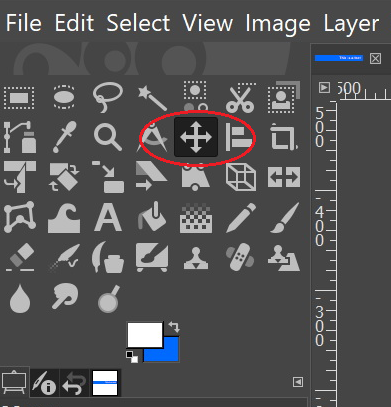
Step 9: Select the “Move” tool.

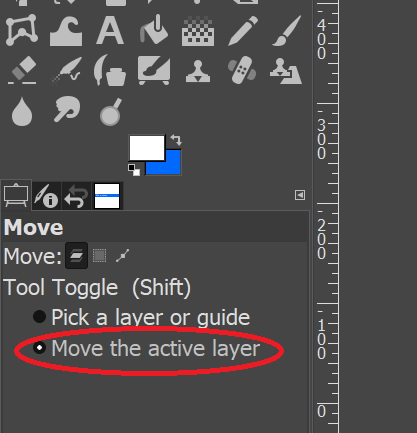
Select “Move the active layer” in the left panel under the GIMP Toolbox.

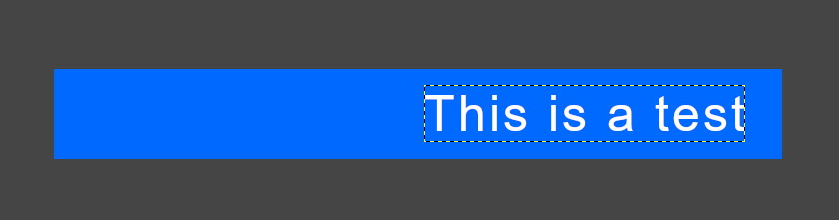
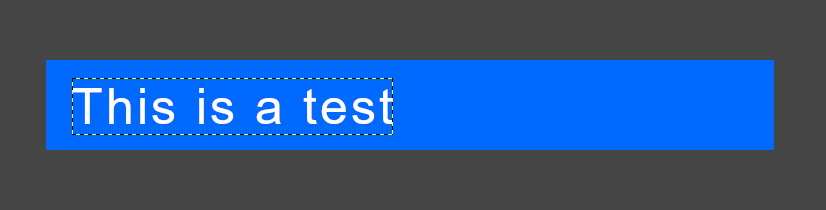
Place your mouse cursor on the text. Click and hold the left mouse button and drag the text to the location of your preference on the banner.

Before:

After:

11. Where can I download GIMP?

Now that you have a basic understanding about Layers, the next step is for you to give it a try. If you have not yet installed GIMP, you can download a copy at https://www.gimp.org/downloads/.

Sponsored Links

12. Finding GIMP Support

GIMP has put together a User Manual which can be accessed from the top menu bar under “Help”. The GIMP User Manual is quite comprehensive. You can also download a copy of the User Manual at https://www.gimp.org/docs/.